If you’ve been injured in a Dallas wreck, here’s what you must know to protect your rights. Car accidents are stressful, but acting fast can make or break your personal injury case.
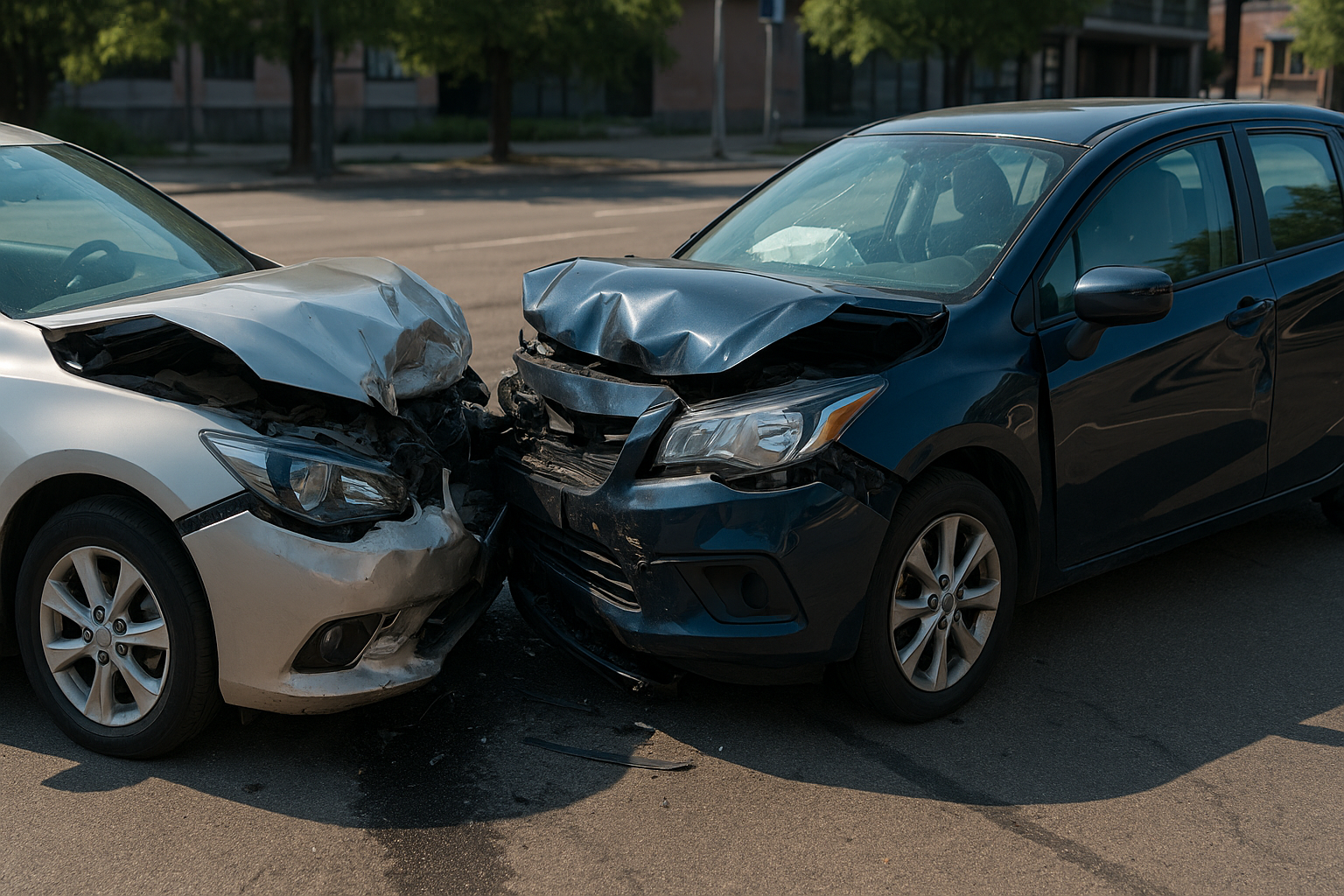
Texas law requires drivers to report serious car accidents (Tex. Transp. Code § 550.026). Even if injuries seem minor, seek medical attention—this protects your health and documents your injuries.
Under Texas’s modified comparative fault system (Tex. Civ. Prac. & Rem. Code § 33.001), admitting partial fault may reduce or eliminate your ability to recover damages.
Texas has a 2-year statute of limitations for most car accident lawsuits (Tex. Civ. Prac. & Rem. Code § 16.003). Legal guidance ensures you meet deadlines and understand your rights.
Victims may seek damages for:
You may be covered by your own UM/UIM policy or could explore a personal injury lawsuit if they have other assets.
Yes—insurers and courts often rely on it to determine liability. Texas requires crash reports for injuries or $1,000+ damage (Tex. Transp. Code § 550.062).
Disclaimer: This blog is for informational purposes only and does not constitute legal advice. Past results do not guarantee future outcomes. For personalized counsel, contact Ted B. Lyon & Associates.
Co-sponsored with myLawCLE, Jeff Grell of Ted Lyon Law and Kevin P. Roddy of Wilentz,… Read More
Recognizing TBI Symptoms After Accidents in Texas Being involved in a car accident in Texas… Read More
Traumatic Brain Injury Compensation Claims in Texas Explained A traumatic brain injury (TBI) can profoundly… Read More
Texas Statute of Limitations for Car Accident Lawsuits After a car accident in Texas, victims… Read More
Understanding Comparative Negligence Laws in Texas Car Accidents Car accidents in Texas can be complex,… Read More
Long-Term Effects of Traumatic Brain Injuries and Legal Options in Texas A traumatic brain injury… Read More

