If you’ve been injured in a multi-car crash in Fort Worth, understanding who’s legally at fault is key to protecting your rights and compensation. Texas law follows a modified comparative fault system, which means determining liability isn’t always straightforward—especially in chain-reaction or highway pile-up accidents.
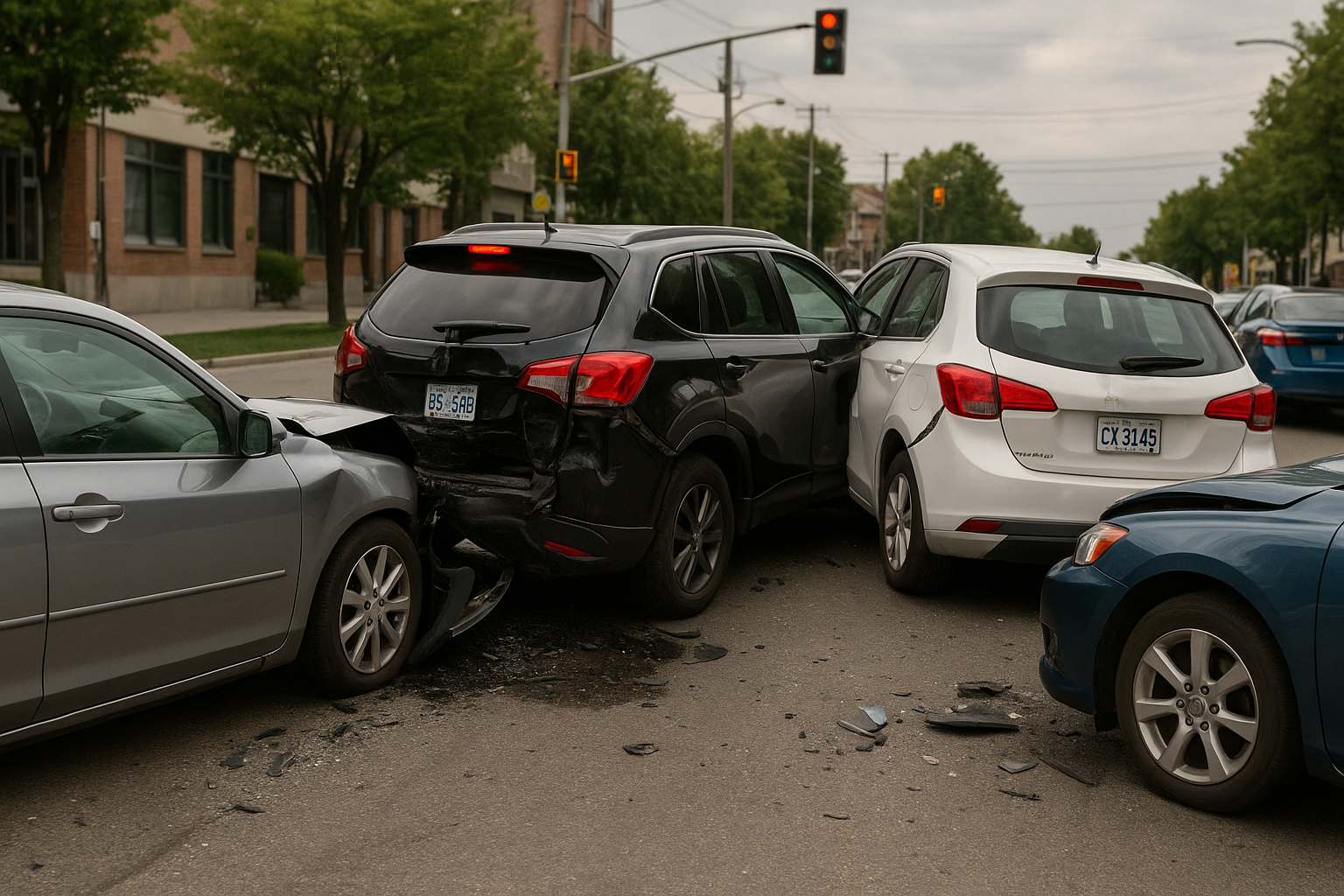
Multi-vehicle accidents—also known as pile-ups or chain-reaction collisions—involve three or more vehicles. These crashes often occur at high speeds on interstates like I-35W or I-30 through Fort Worth, and are typically triggered by a single act of negligence, such as:
Once one driver acts negligently, others may have too little time or space to avoid a collision—resulting in a domino effect.
Texas uses a “modified comparative fault” system governed by Chapter 33 of the Texas Civil Practice and Remedies Code. This means:
Example: If you’re awarded $100,000 in damages but found 20% at fault, your recovery is reduced to $80,000.
In multi-car crashes, multiple parties may share responsibility. Potentially liable individuals or entities include:
The Texas Department of Transportation (TxDOT) maintains official crash reports, which play a critical role in determining fault. But don’t rely on a police report alone. Photos, video footage, black box data, witness statements, and accident reconstruction experts are often required to prove how the crash unfolded.
If you’re injured in a Fort Worth pile-up, take the following steps to preserve your claim:
Insurers may try to pin more blame on you to reduce payouts. They’ll often rely on recorded statements or use confusion around the accident’s timeline to dispute liability. That’s why Texas accident victims benefit from legal support early on—especially when multiple drivers are involved.
Each driver’s insurer typically pays based on their share of fault. If one driver is 100% at fault, their insurance may cover all damages. Otherwise, responsibility is divided.
Yes. Under Texas law, multiple drivers can share liability. Courts assign each party a percentage of fault under comparative negligence rules.
You can still recover compensation if you are 50% or less at fault. However, your award will be reduced by your percentage of fault.
Multi-vehicle crashes in Fort Worth are complex and often involve shared liability. Understanding how Texas comparative fault laws apply is crucial to ensuring fair compensation. Legal guidance can make the difference between an unfair settlement and the justice you deserve.
Disclaimer: This blog is for informational purposes only and does not constitute legal advice. Past results do not guarantee future outcomes. For personalized counsel, contact Ted B. Lyon & Associates.
Co-sponsored with myLawCLE, Jeff Grell of Ted Lyon Law and Kevin P. Roddy of Wilentz,… Read More
Recognizing TBI Symptoms After Accidents in Texas Being involved in a car accident in Texas… Read More
Traumatic Brain Injury Compensation Claims in Texas Explained A traumatic brain injury (TBI) can profoundly… Read More
Texas Statute of Limitations for Car Accident Lawsuits After a car accident in Texas, victims… Read More
Understanding Comparative Negligence Laws in Texas Car Accidents Car accidents in Texas can be complex,… Read More
Long-Term Effects of Traumatic Brain Injuries and Legal Options in Texas A traumatic brain injury… Read More

