



A wet floor, broken step, or poorly maintained walkway can result in more than just embarrassment—it can cause lasting harm. Across Texas, property owners have a duty to keep their premises safe. When they fail to do so, victims may have grounds for a premises liability claim to recover their losses.
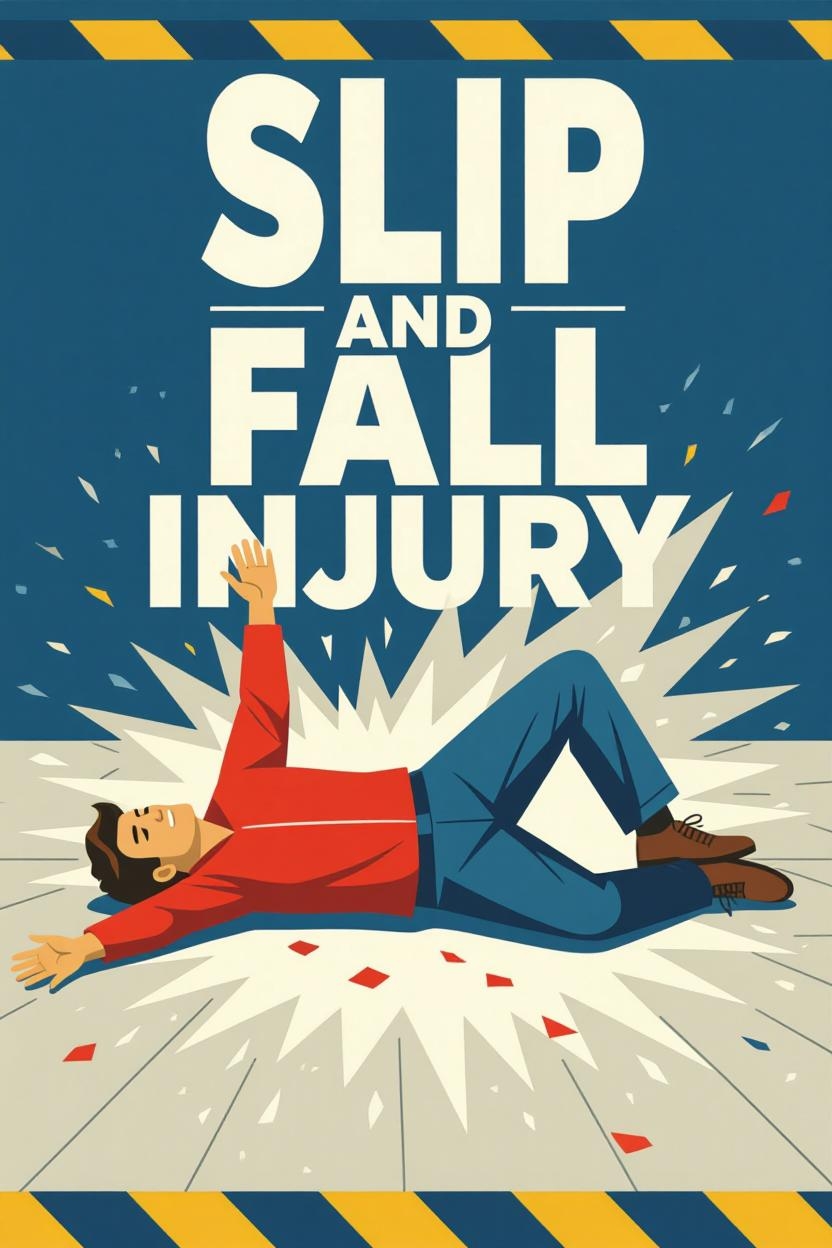
Understanding Texas Premises Liability Law
Slip and fall cases fall under premises liability, which holds property owners responsible for maintaining reasonably safe conditions for visitors. According to the Texas Civil Practice and Remedies Code, those injured due to negligence can file a civil claim for damages to recover medical costs, lost wages, and pain and suffering.
To succeed in a Texas slip and fall claim, the injured person (the plaintiff) must prove that:
The property owner or manager had a duty of care to maintain the property safely.
That duty was breached through negligence (e.g., failing to fix or warn about a hazard).
The breach directly caused your injuries.
You suffered verifiable damages as a result.
Common Causes of Slip and Fall Accidents
Slip and fall accidents can happen anywhere — from grocery stores to apartment complexes. Some of the most frequent causes include:
Wet or slippery floors without warning signs
Uneven or cracked sidewalks
Poor lighting in hallways or parking lots
Defective handrails or stairs
Loose carpets or mats
Spilled liquids or debris left unattended
In Texas, both public and private property owners — including businesses, landlords, and government entities — can be held accountable when their negligence causes injury.
Comparative Negligence in Texas
Texas follows a modified comparative negligence rule under Section 33.001 of the Texas Civil Practice and Remedies Code. This means that your compensation can be reduced if you are found partly at fault for your fall. If you are more than 50% responsible, you cannot recover damages.
For example, if you were distracted on your phone and failed to notice a wet floor, a jury might assign you 30% of the fault — reducing your award by that percentage.
Evidence That Strengthens Your Claim
Strong documentation can make all the difference in a slip and fall case. Consider gathering:
Photos or videos of the scene and hazard
Witness statements from anyone who saw the fall
Incident reports filed with the property owner or business
Medical records linking your injuries to the fall
Security footage, if available
Under Texas law, property owners often attempt to fix hazards immediately after an accident — so capturing evidence quickly is vital.
Compensation for Slip and Fall Injuries in Texas
Victims may recover compensation for various economic and non-economic damages, including:
Medical bills and rehabilitation costs
Lost income or reduced earning capacity
Physical pain and emotional suffering
Permanent disability or disfigurement
For severe cases — such as spinal injuries, head trauma, or fractures — damages can be significant, especially when negligence is clear.
Statute of Limitations: Don’t Wait Too Long
In Texas, you generally have two years from the date of your slip and fall to file a personal injury claim under Section 16.003 of the Texas Civil Practice and Remedies Code. Missing this deadline can permanently bar your right to seek compensation.
When Property Owners May Not Be Liable
Not all falls lead to valid legal claims. Texas law protects property owners when:
The danger was open and obvious, and a reasonable person would have avoided it.
The owner had no actual or constructive knowledge of the hazard.
The visitor was trespassing or not lawfully on the property.
Even in these situations, an experienced attorney can evaluate whether exceptions or evidence of negligence apply.
Why Experienced Slip and Fall Attorneys Matter
A skilled Texas slip and fall attorney understands how to investigate, gather evidence, and negotiate with insurance companies. They can determine fault, calculate your damages accurately, and ensure compliance with all Texas procedural laws.
For more information on related claims, visit our Premises Liability page or read about Fall Accidents in Texas.
Frequently Asked Questions (FAQs)
How long do I have to report a slip and fall accident in Texas?
You should report it immediately to the property owner or manager and document everything. Legally, you have two years to file your claim.
Can I sue if I fell at work?
Yes. Workplace falls may fall under both workers’ compensation and premises liability depending on the situation.
What if the property owner blames me for the accident?
Texas’ comparative fault law allows recovery even if you share some blame — as long as you are 50% or less at fault.
Final Thoughts
Slip and fall injuries can have lasting physical, emotional, and financial impacts. Understanding Texas premises liability laws is key to protecting your rights. While every case is unique, knowing how liability and fault are determined can help you make informed decisions about pursuing justice.
Disclaimer: This blog is for informational purposes only and does not constitute legal advice. Past results do not guarantee future outcomes. For personalized counsel, contact Ted B. Lyon & Associates.