Passengers often suffer serious injuries in car crashes—without having caused the accident themselves. If you were hurt while riding in someone else’s vehicle in Texas, you likely have the right to seek compensation. But who pays? And can you sue the driver you know personally? Here’s what Texas law says about passenger injury claims and how to protect your legal rights.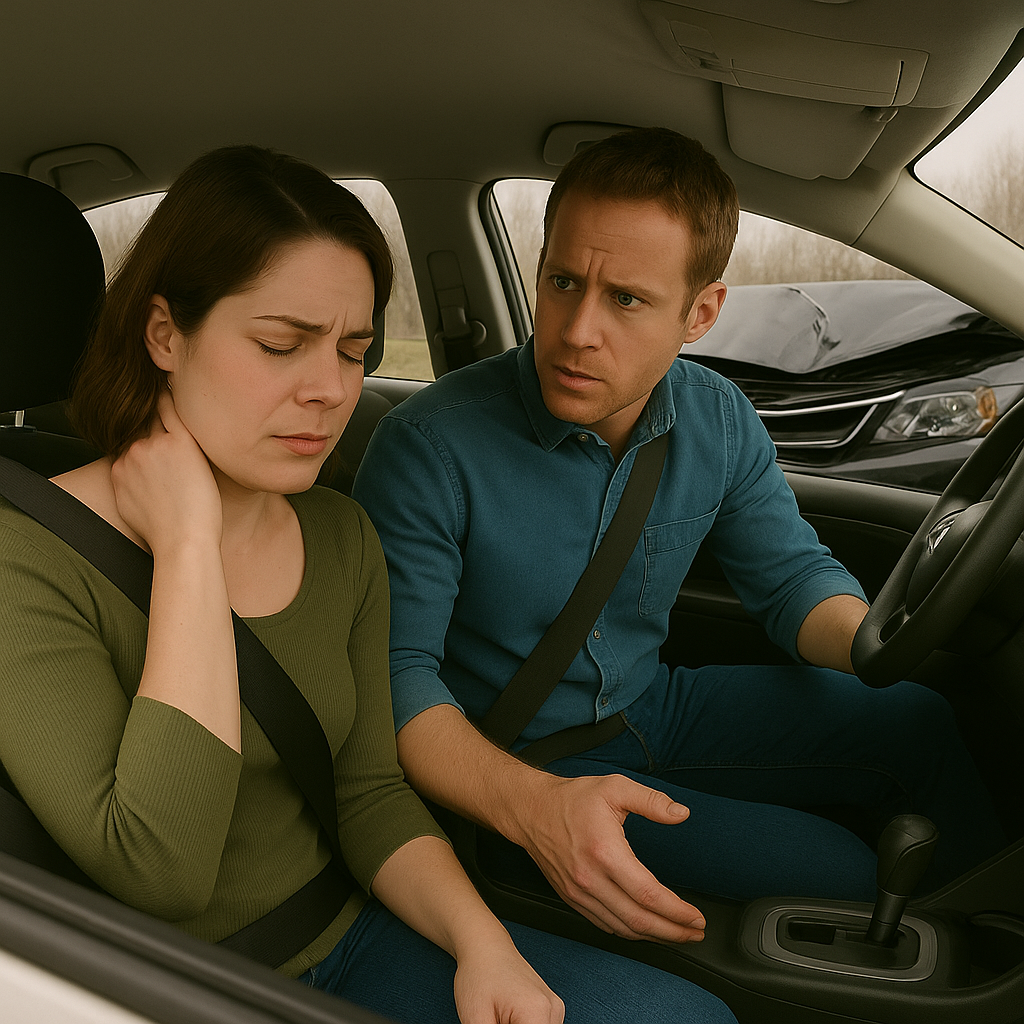
Yes. Under Texas law, passengers injured in auto accidents have the same rights to compensation as drivers. As a passenger, you may pursue a claim against:
Texas follows a “modified comparative fault” rule (Tex. Civ. Prac. & Rem. Code § 33.001), but this usually doesn’t apply to passengers unless their actions somehow contributed to the crash—such as interfering with the driver.
Coverage depends on who caused the crash and what policies are in place. You may recover compensation from:
Note: PIP coverage is optional in Texas but automatically included unless waived in writing (Tex. Ins. Code § 1952.152).
Yes, although it may feel awkward—especially if the driver is a friend or relative. However, you are not suing them personally for money out of pocket; you’re filing a claim against their insurance company. This is what liability coverage is for.
In some cases, the crash may involve:
Each of these may trigger different policies, including commercial insurance or third-party liability.
As an injured passenger, you may be eligible to recover damages for:
Passenger claims are often straightforward, but challenges may include:
To navigate these, documentation and legal knowledge are key.
You may be covered by the driver’s personal insurance, or the rideshare company’s commercial policy (e.g., Uber provides $1 million in liability coverage under certain conditions).
Only in rare cases. Texas law generally does not assign fault to passengers unless they interfered with the operation of the vehicle or knowingly entered a dangerous situation (like getting into a car with an intoxicated driver).
In Texas, you typically have two years from the date of the accident to file a personal injury lawsuit (Tex. Civ. Prac. & Rem. Code § 16.003).
If you’ve been injured as a passenger in a Texas car accident, you have the right to recover compensation—regardless of which driver was at fault. Understanding your options, documenting your injuries, and navigating insurance claims properly are essential steps toward getting the recovery you deserve.
Disclaimer: This blog is for informational purposes only and does not constitute legal advice. Past results do not guarantee future outcomes. For personalized counsel, contact Ted B. Lyon & Associates.
Co-sponsored with myLawCLE, Jeff Grell of Ted Lyon Law and Kevin P. Roddy of Wilentz,… Read More
Recognizing TBI Symptoms After Accidents in Texas Being involved in a car accident in Texas… Read More
Traumatic Brain Injury Compensation Claims in Texas Explained A traumatic brain injury (TBI) can profoundly… Read More
Texas Statute of Limitations for Car Accident Lawsuits After a car accident in Texas, victims… Read More
Understanding Comparative Negligence Laws in Texas Car Accidents Car accidents in Texas can be complex,… Read More
Long-Term Effects of Traumatic Brain Injuries and Legal Options in Texas A traumatic brain injury… Read More

