A single moment on a Texas highway can lead to catastrophic injuries when an 18-wheeler is involved. Victims often find themselves up against large trucking companies and their insurers. Knowing how liability works—and what legal protections exist under Texas law—can make all the difference after a serious truck wreck.
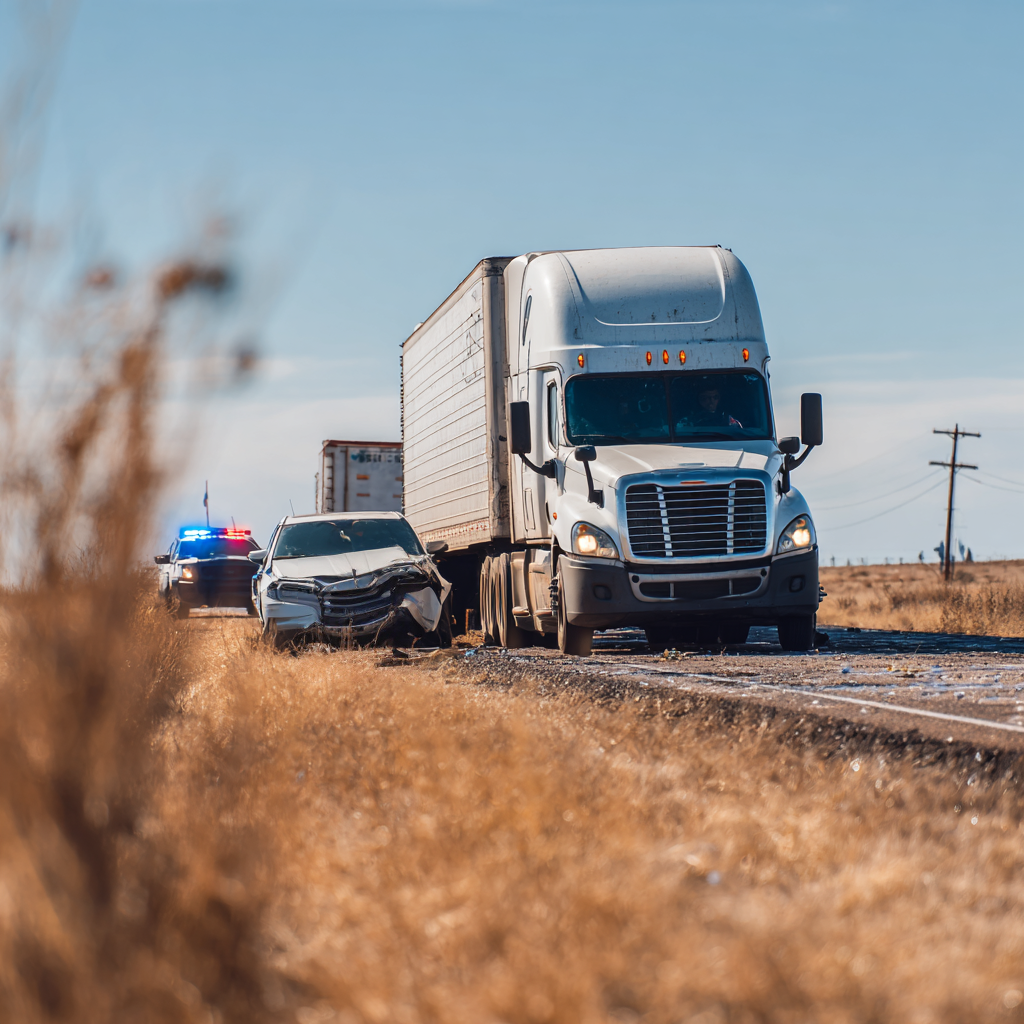
Texas has one of the highest rates of commercial truck accidents in the nation due to its extensive highway network and booming freight industry. According to the Texas Department of Transportation, thousands of 18-wheeler and commercial vehicle crashes occur every year, many resulting in severe or fatal injuries. These collisions are often more destructive than passenger car accidents due to the size and weight of large trucks.
Truck wrecks often involve multiple contributing factors, including:
Driver fatigue and Hours-of-Service violations under federal law
Improper vehicle maintenance or brake failure
Overloaded or unsecured cargo
Distracted or impaired driving
Inadequate driver training
Negligent hiring or supervision by trucking companies
Under the Texas Transportation Code, carriers must exercise reasonable care in hiring qualified drivers and maintaining their fleets safely. When they fail to meet these duties, they may be held liable for resulting injuries.
Determining liability in a Texas truck accident can be complex. Potentially responsible parties may include:
The truck driver – for negligent actions such as speeding, distraction, or impairment.
The trucking company – under the doctrine of respondeat superior, employers can be held liable for their drivers’ conduct while on duty.
Maintenance contractors – if poor maintenance led to mechanical failure.
Cargo loaders – if improper loading caused the vehicle to become unstable.
Manufacturers – for defective tires, brakes, or mechanical parts.
Under Texas law, carriers are classified as common carriers and have a heightened duty of care when transporting goods and passengers. This means trucking companies can be held to stricter safety standards than ordinary motorists.
To recover damages, your attorney must establish that the at-fault party acted negligently. Under Texas Civil Practice and Remedies Code § 33.001, Texas follows a modified comparative fault rule, meaning you can recover damages if you are less than 51% at fault for the accident.
Evidence that may help prove negligence includes:
Electronic logging device (ELD) data
Dashcam or surveillance footage
Vehicle maintenance logs
Police accident reports
Eyewitness statements
Expert accident reconstruction
Victims of trucking accidents may be entitled to recover economic and non-economic damages, including:
Medical expenses (past and future)
Lost wages and loss of earning capacity
Pain and suffering
Mental anguish
Property damage
Loss of consortium
In catastrophic cases — such as those involving wrongful death — families may also pursue compensation under Texas Civil Practice and Remedies Code Chapter 71, which allows surviving spouses, children, or parents to file a claim.
For a detailed overview of wrongful death laws, see our guide on Texas wrongful death claims.
Under Texas Civil Practice and Remedies Code § 16.003, the statute of limitations for most personal injury cases — including truck accidents — is two years from the date of the crash. Missing this deadline can bar you from recovering any compensation.
A skilled trucking accident lawyer can:
Investigate and preserve crucial evidence before it’s lost
Identify all liable parties (driver, carrier, contractor, etc.)
Calculate the full extent of your damages
Negotiate with insurers for a fair settlement
Represent you in court if litigation is necessary
Trucking companies often deploy aggressive defense teams immediately after a wreck. Having an experienced attorney ensures you’re not pressured into accepting less than you deserve.
How much is my Texas trucking accident case worth?
It depends on the extent of your injuries, medical costs, lost wages, and pain and suffering. An attorney can help estimate the value of your claim after reviewing your case.
What if the trucking company blames me?
Texas uses modified comparative fault, meaning you can still recover damages if you’re less than 51% at fault.
Do I need a lawyer for a truck accident?
Yes. Trucking cases often involve multiple parties, complex insurance issues, and federal safety regulations. An attorney ensures your rights are protected from the start.
Disclaimer:
This blog is for informational purposes only and does not constitute legal advice. Past results do not guarantee future outcomes. For personalized counsel, contact Ted B. Lyon & Associates.
Co-sponsored with myLawCLE, Jeff Grell of Ted Lyon Law and Kevin P. Roddy of Wilentz,… Read More
Recognizing TBI Symptoms After Accidents in Texas Being involved in a car accident in Texas… Read More
Traumatic Brain Injury Compensation Claims in Texas Explained A traumatic brain injury (TBI) can profoundly… Read More
Texas Statute of Limitations for Car Accident Lawsuits After a car accident in Texas, victims… Read More
Understanding Comparative Negligence Laws in Texas Car Accidents Car accidents in Texas can be complex,… Read More
Long-Term Effects of Traumatic Brain Injuries and Legal Options in Texas A traumatic brain injury… Read More

