Dallas Uber & Lyft Accident Checklist: What to Do After a Crash
Uber accident lawyer Dallas — If you’re hurt in an Uber or Lyft crash in Dallas, the steps you take in the first hours and days matter. Texas law requires certain crash reports, has strict deadlines, and rideshare cases involve complex insurance rules. Here’s a clear, step-by-step checklist to protect your rights and preserve evidence after a rideshare wreck. For a broader overview of rideshare claims, see Getting Compensated for Injuries in an Uber or Lyft Crash.

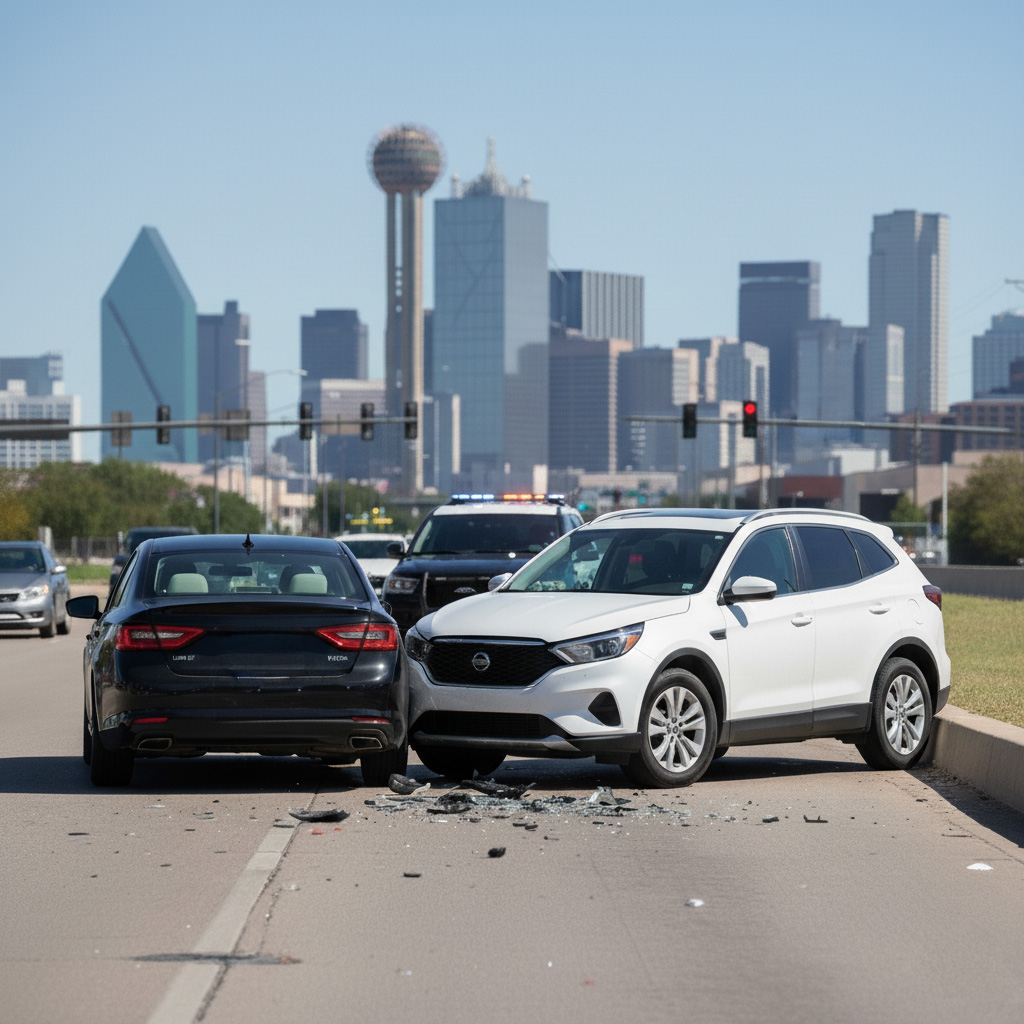
At the Scene (Minutes to Hours)
- Call 911 immediately. In Texas, drivers must stop and call police if there’s injury, death, or major property damage (Texas Transportation Code §550.021, §550.062). An officer will prepare a crash report (CR-3) filed with TxDOT. For basics on reporting obligations, see Reporting Rules After a Car Accident.
- Request medical evaluation on site. Even if injuries feel minor, adrenaline can mask serious harm. Texas hospital lien law applies if you’re admitted within 72 hours (Texas Property Code §55.002). Early symptoms guide: Recognizing Whiplash After an Auto Accident.
- Document everything. Take photos of the Uber or Lyft vehicle, other cars, license plates, rideshare decals, trip details in the app, and driver information. Screenshots of your trip receipt, route, and driver profile can become key evidence. Helpful next steps: Dallas Car Accident Steps.
- Collect witness contacts. Independent witnesses often make or break liability disputes, especially if both drivers deny fault. Avoid social posts that can be misconstrued: Social Media Blunders Can Hurt Your Personal Injury Case.
First 24 Hours
- Get a full medical check-up. Immediate care helps tie injuries to the crash. Keep all records, imaging, and prescriptions. Bring these prompts to your appointment: Questions to Ask Your Doctor After an Auto Accident.
- Save your crash report details. Officers file crash reports with TxDOT within 10 days; you’ll need the report number to request a CR-3. (Transportation Code §550.062, §550.065). How to request and why it matters: Reporting Rules After a Car Accident.
- Report the accident to Uber or Lyft in-app. Use the “Help” section to submit the report. This creates a timestamped record that the company was notified. See what coverage can apply: PIP Coverage in Texas.
- Notify your own insurer. Texas auto policies often require prompt notice. Be cautious with recorded statements until you understand all coverages involved. If the at-fault driver is uninsured, read What Happens If You’re in an Accident with an Uninsured Motorist?
Track wage loss early. How to document and recover: Recovering Lost Wages After an Auto Accident in Texas.
Hours 24–48
- Preserve electronic evidence. Save all trip receipts, text messages, or emails with Uber/Lyft or the driver. Download your Uber or Lyft account trip history. Tips for maximizing your claim documentation: 6 Tips to Maximize Compensation.
- Track expenses. Keep receipts for prescriptions, medical devices, rides to appointments, and missed work hours. These support your damages claim.
- Request nearby video. Businesses and homes often overwrite security footage quickly—knock on doors near the crash scene.
- Understand rideshare insurance layers. Uber and Lyft carry up to $1M in liability coverage when a ride is in progress. If the driver’s app is off, only personal insurance applies. Coverage changes depending on whether the driver was waiting, en route, or carrying a passenger. (See Texas rideshare insurance disclosure rules, Occupations Code §2402.114.) For a walkthrough on coverage scenarios, see our Uber/Lyft compensation guide.
Hours 48–72
- Obtain the TxDOT CR-3 crash report. You can order online as a “qualified person” under Transportation Code §550.065. How reporting works: Reporting Rules After a Car Accident.
- Check hospital or EMS liens. If you were admitted within 72 hours, Texas law may allow a lien against your settlement (Property Code §55.002). Track balances closely.
- Calendar legal deadlines. Most Texas personal injury claims—including rideshare accidents—have a 2-year statute of limitations (Civil Practice & Remedies Code §16.003(a)). For timing specifics, see Texas Injury Lawsuit Deadline and Texas Personal Injury Statute of Limitations. Fault rules that can affect recovery: Texas Comparative Negligence.
- Preserve your vehicle. If your car was involved, avoid repairs or disposal until it’s documented; vehicle damage often helps reconstruct crashes. If injuries seem minor but worsen later, read Delayed Car Accident Injury Claim in Texas.
Quick Do’s and Don’ts
FAQs
Does Uber or Lyft pay if I was a passenger in Dallas?
Yes, if the app was on and your ride was in progress, Uber and Lyft provide up to $1M in third-party liability coverage in addition to the driver’s personal policy. More on how coverage stacks: Uber/Lyft Crash Compensation Guide.
Do I have to report the crash to TxDOT?
Police are required to file the report with TxDOT if there’s injury, death, or significant property damage. You can later request your CR-3 crash report. (Transportation Code §550.062, §550.065.) See Reporting Rules After a Car Accident.
How long do I have to file a claim in Texas?
Two years from the date of the accident for most personal injury claims (Civil Practice & Remedies Code §16.003(a)). Learn more: Texas Injury Lawsuit Deadline | Texas Personal Injury Statute of Limitations.
Disclaimer: This blog is for informational purposes only and does not constitute legal advice. Past results do not guarantee future outcomes. Reading this article does not create an attorney-client relationship.
