Distracted driving is one of the leading causes of serious crashes in Texas. If you’ve been injured because another driver was texting, eating, or checking a GPS, you may be entitled to compensation. Texas law holds drivers accountable for failing to pay attention behind the wheel—especially when that negligence leads to injury or loss.
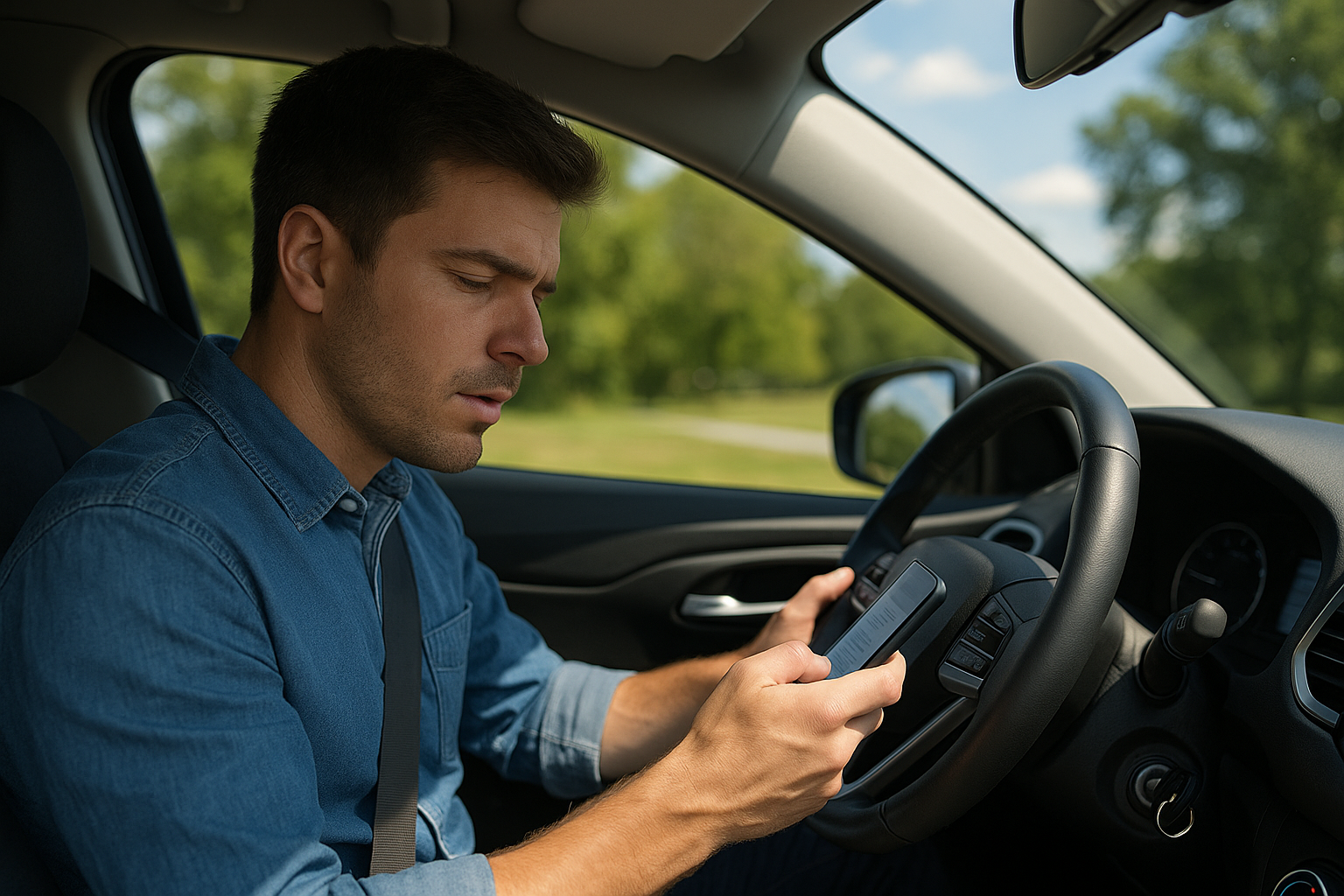
According to the Texas Department of Transportation (TxDOT), distracted driving involves any activity that takes your eyes, hands, or attention away from driving. Common distractions include:
Texting while driving is particularly dangerous because it combines all three types of distraction: visual, manual, and cognitive.
In 2017, Texas passed a statewide ban on texting while driving. Under Texas Transportation Code § 545.4251, it is illegal for a driver to read, write, or send electronic messages while operating a motor vehicle.
Violations may result in fines, but when a crash occurs, these violations can serve as strong evidence of negligence in a personal injury claim.
Texas uses a modified comparative negligence system (Civil Practice & Remedies Code § 33.001). This means if you were less than 51% at fault, you may still recover compensation—but your award will be reduced by your percentage of responsibility.
If the other driver was clearly texting, checking social media, or otherwise distracted at the time of the crash, that can weigh heavily in your favor. Courts and insurance companies see distracted driving as a serious breach of the duty of care all drivers owe one another.
Victims of distracted driving accidents in Texas may pursue damages for:
In rare cases involving gross negligence—such as repeat texting offenses—punitive damages may also apply.
Protect your rights by taking these steps:
According to TxDOT’s 2023 crash report:
These numbers highlight why Texas courts and juries take these cases so seriously.
Yes. Texting while driving is illegal in Texas, and it can serve as strong evidence of negligence in a personal injury lawsuit.
While not required to prove your entire case, showing the driver was distracted (via phone records or eyewitnesses) can help establish fault and increase the value of your claim.
Under Texas law, you can still recover damages if you’re less than 51% at fault. Your compensation will be reduced by your percentage of fault.
Distracted driving isn’t just careless—it’s dangerous. If you or someone you love has been injured by a distracted driver in Texas, understanding how the law works can help you protect your rights and secure the compensation you deserve.
This issue is especially common on high-traffic roads around Dallas, Fort Worth, and Arlington. Whether you’re driving through city streets or I-35, driver distraction is a risk that Texas law takes seriously.
Disclaimer: This blog is for informational purposes only and does not constitute legal advice. Past results do not guarantee future outcomes. For personalized counsel, contact Ted B. Lyon & Associates.
Co-sponsored with myLawCLE, Jeff Grell of Ted Lyon Law and Kevin P. Roddy of Wilentz,… Read More
Recognizing TBI Symptoms After Accidents in Texas Being involved in a car accident in Texas… Read More
Traumatic Brain Injury Compensation Claims in Texas Explained A traumatic brain injury (TBI) can profoundly… Read More
Texas Statute of Limitations for Car Accident Lawsuits After a car accident in Texas, victims… Read More
Understanding Comparative Negligence Laws in Texas Car Accidents Car accidents in Texas can be complex,… Read More
Long-Term Effects of Traumatic Brain Injuries and Legal Options in Texas A traumatic brain injury… Read More

