After a serious truck accident in Texas, many people assume only the driver is responsible. In reality, liability can extend far beyond the person behind the wheel.
Commercial truck crashes often involve complex webs of responsibility. Under Texas Civil Practice & Remedies Code Chapter 33, multiple parties can be held jointly or severally liable—meaning more than one entity may be sued for damages.
If you’ve been hurt in a crash with an 18-wheeler, here’s a breakdown of who may be liable under Texas law and why it matters for your case.
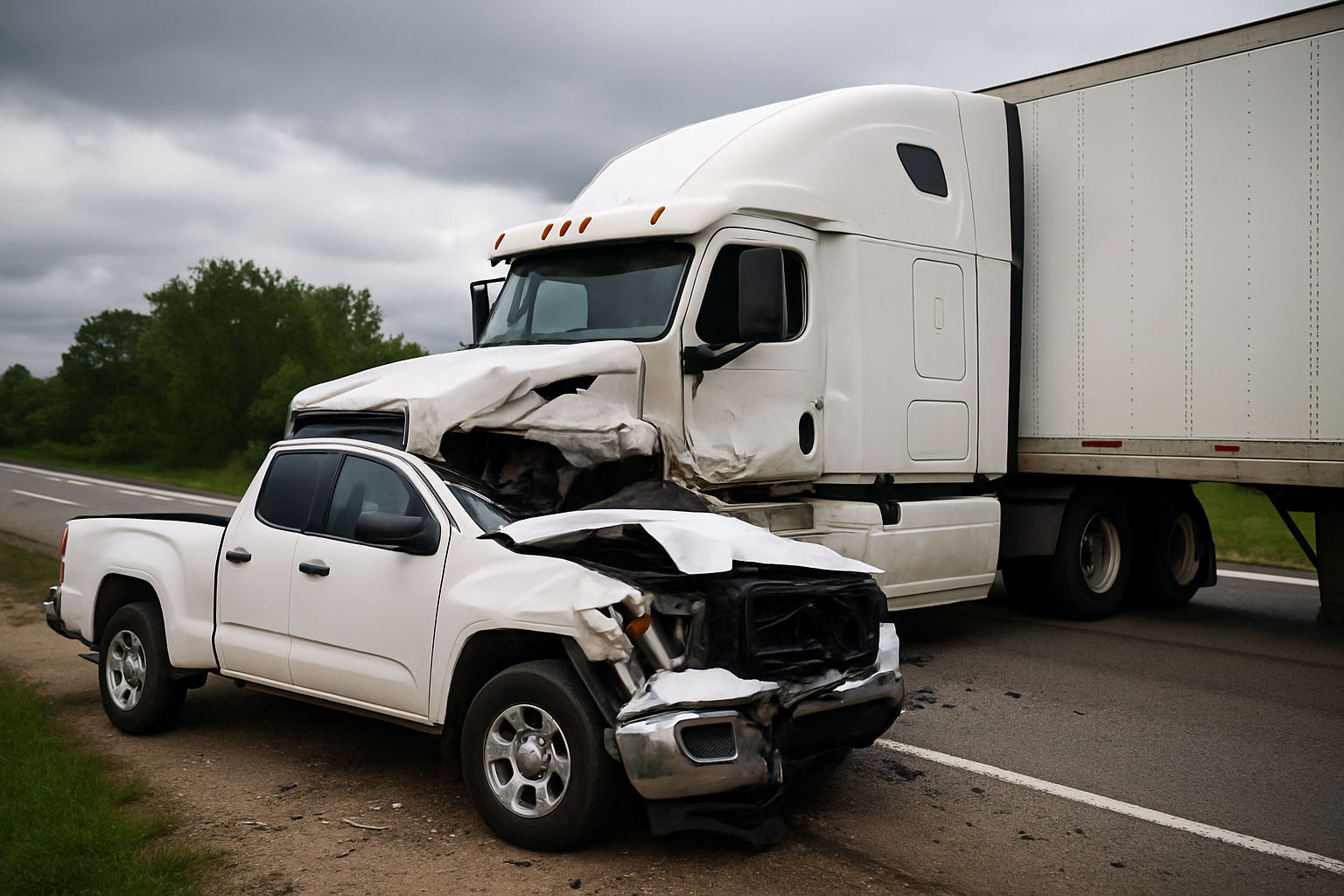
Obvious, but not always the only liable party. If the driver was speeding, fatigued, intoxicated, or distracted, they can be personally liable for negligence. Examples include:
However, even if the driver made a mistake, that doesn’t end the investigation.
Under the legal doctrine of respondeat superior, an employer can be held responsible for the negligent acts of its employee—if the driver was “in the course and scope” of employment.
Trucking companies may also be independently liable for:
These companies typically carry significant commercial insurance policies, which makes them a primary target in litigation.
Many semi-trucks are leased. If the truck is owned by someone other than the driver or carrier, the owner may be liable for mechanical issues or failure to maintain the vehicle—especially if the crash involved a brake failure, tire blowout, or lighting malfunction.
Unsecured loads are a major cause of truck accidents. If a third-party loading company improperly secured the cargo, leading to a load shift or trailer imbalance, they may be liable under federal cargo securement regulations (FMCSA rules).
Examples of negligent loading include:
If the crash was caused by a defective component—like a faulty brake system, tire blowout, or hitch failure—the manufacturer may be held liable under Texas product liability law.
This can result in a separate lawsuit based on a defective design, manufacturing flaw, or failure to warn about known hazards.
If a third-party repair shop recently worked on the truck or trailer and failed to properly fix or inspect key systems (like brakes, suspension, or steering), they may also be brought into the lawsuit for negligent repair or maintenance.
Under the Texas Tort Claims Act, a city, county, or state agency could be liable for:
These cases are rare and require strict notice and procedural rules, but they may apply in truck accidents involving hazardous infrastructure.
In serious truck wrecks, injuries are often severe—traumatic brain injuries, spinal cord injuries, amputations, or even fatalities. The cost of care, lost income, and future needs can easily exceed one insurance policy’s limit.
By identifying all potentially liable parties, victims can increase their chances of full compensation under Texas’s comparative fault rules.
Yes. You can sue both the driver and the company that employed them. In many cases, the company will be the one held financially responsible.
If improperly loaded cargo caused the crash, you may be able to sue the loading company or shipper under cargo securement rules.
If one party is more than 50% at fault, they may be held responsible for the entire judgment—even if other defendants were also negligent.
Disclaimer: This blog is for informational purposes only and does not constitute legal advice. Past results do not guarantee future outcomes. For personalized counsel, contact Ted B. Lyon & Associates.
Co-sponsored with myLawCLE, Jeff Grell of Ted Lyon Law and Kevin P. Roddy of Wilentz,… Read More
Recognizing TBI Symptoms After Accidents in Texas Being involved in a car accident in Texas… Read More
Traumatic Brain Injury Compensation Claims in Texas Explained A traumatic brain injury (TBI) can profoundly… Read More
Texas Statute of Limitations for Car Accident Lawsuits After a car accident in Texas, victims… Read More
Understanding Comparative Negligence Laws in Texas Car Accidents Car accidents in Texas can be complex,… Read More
Long-Term Effects of Traumatic Brain Injuries and Legal Options in Texas A traumatic brain injury… Read More

