
Dallas Car Accident Lawyer: What to Know About Rear-End Collisions
If you’ve been involved in a rear-end collision in Dallas, Texas, you’re not alone. Rear-end accidents are among the most common traffic incidents across Texas. Understanding your legal rights and responsibilities under Texas law can help you protect your claim and recover the compensation you’re entitled to.
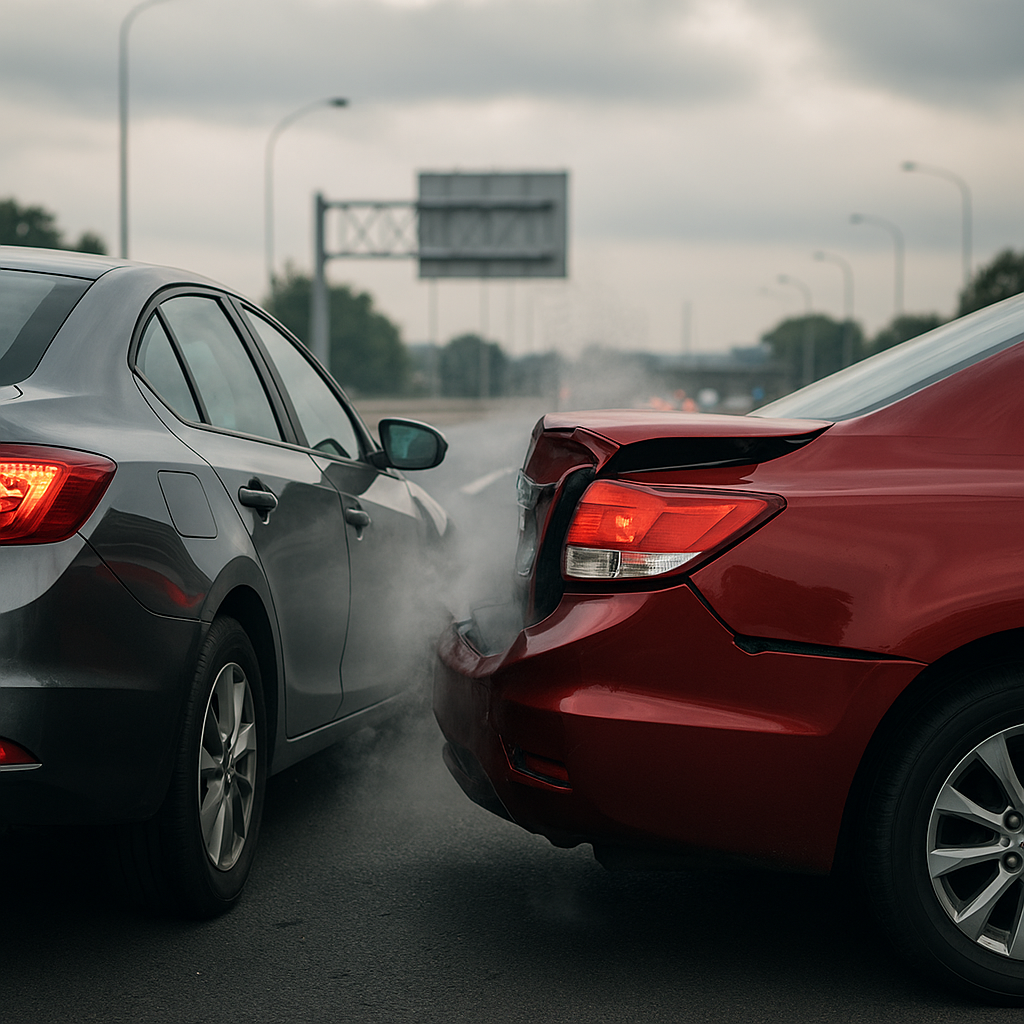
Why Rear-End Collisions Happen in Dallas
From congested highways like I-35E and the LBJ Freeway to busy local roads, rear-end crashes occur due to:
- Distracted driving (texting, eating, using GPS)
- Following too closely (tailgating)
- Sudden stops in heavy traffic
- Speeding or aggressive driving
According to Texas Transportation Code § 545.062, drivers must maintain an assured clear distance between vehicles to avoid a collision.
Texas Law on Rear-End Collision Liability
Under Texas law, the driver who rear-ends another vehicle is often presumed at fault. Texas courts apply the “assured clear distance” rule, found in Texas Transportation Code § 545.062(a), which states:
“An operator shall, if following another vehicle, maintain an assured clear distance between the two vehicles so that…the operator can safely stop without colliding with the preceding vehicle…”
However, there are exceptions where the lead driver may share fault, such as:
- Suddenly reversing without warning
- Driving with malfunctioning brake lights
- Stopping suddenly for no reason
Common Injuries from Rear-End Collisions
Even minor rear-end collisions can cause serious injuries, including:
- Whiplash and soft-tissue injuries
- Back and spinal cord injuries
- Head and brain trauma
- Broken bones and lacerations
How Damages Are Calculated in Texas
Texas uses a modified comparative negligence system under Texas Civil Practice and Remedies Code § 33.001–§ 33.017. If you are found partially at fault, your damages can be reduced proportionally. For example:
- 100% fault: No recovery
- Less than 51% fault: Damages reduced by your fault percentage
Damages may include:
- Medical bills and future care costs
- Lost wages and reduced earning capacity
- Pain and suffering
- Vehicle repairs or replacement
Steps to Take After a Rear-End Collision in Dallas
- Call 911 and request a police report
- Document the scene (photos, videos, witness information)
- Seek immediate medical attention
- Notify your insurance company
It’s crucial to act within Texas’ two-year statute of limitations for personal injury claims as outlined in Texas Civil Practice and Remedies Code § 16.003(a).
Relevant Texas Statutes and Resources
- Texas Transportation Code § 545.062
- Texas Civil Practice and Remedies Code Chapter 33
- Texas Civil Practice and Remedies Code § 16.003
Dallas Courts That Handle Car Accident Claims
Car accident lawsuits are typically filed in:
- Dallas County Civil Courts
- Dallas County District Courts
Disclaimer
Disclaimer: This blog is for informational purposes only and does not constitute legal advice. Past results do not guarantee future outcomes. For personalized counsel, consult a qualified legal professional in your area.