
Injured in a Parking Lot Accident in Texas? Here’s What You Need to Know
Parking lots may seem low-risk, but they’re a common site of serious accidents—both vehicle-related and slip-and-fall injuries. If you were hurt in a Texas parking lot, the question of who is liable can be more complicated than you think. This guide breaks down fault, compensation, and what Texas law says about injuries on private property.
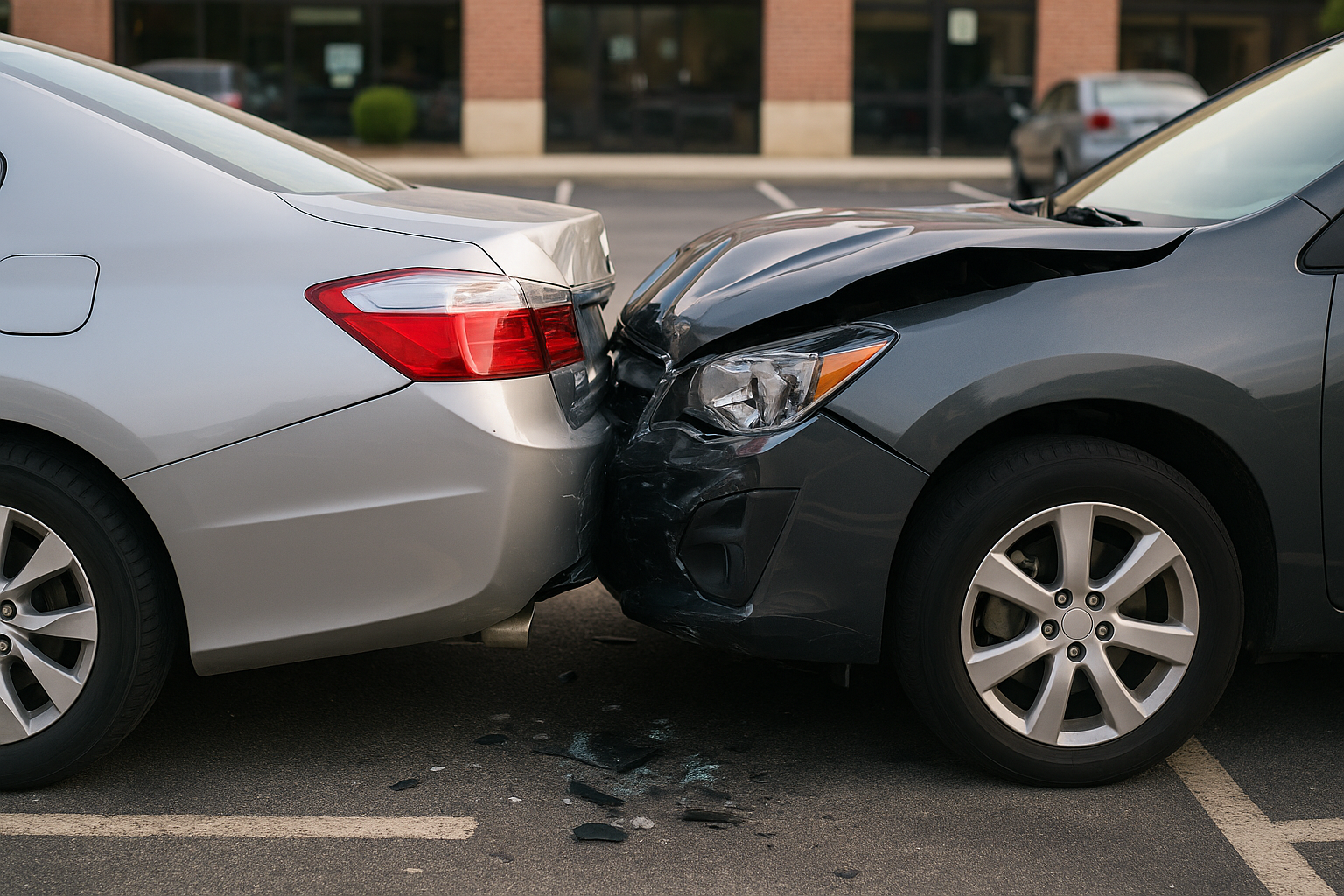
Types of Parking Lot Accidents in Texas
Injury claims often arise from the following types of incidents:
- Low-speed vehicle collisions
- Pedestrians hit by cars
- Slip-and-fall accidents due to poor maintenance
- Trip-and-falls over parking stops or potholes
- Assaults or injuries due to poor lighting or lack of security
Who’s Liable for a Parking Lot Accident?
Determining fault depends on the type of accident:
Vehicle Collisions
Texas follows a modified comparative fault system (Tex. Civ. Prac. & Rem. Code § 33.001). If another driver failed to yield, reversed into you, or drove recklessly, they may be liable. Surveillance footage and witness statements often prove crucial.
Slip-and-Falls or Unsafe Conditions
In these cases, the property owner may be responsible under premises liability law. To win your claim, you must show:
- The owner knew or should have known about the hazard
- They failed to fix it or warn customers
- You suffered injuries as a result
Examples include unmarked wet surfaces, icy patches, broken pavement, or inadequate lighting in a commercial lot.
What to Do After a Parking Lot Injury
- Report the Incident: Notify the property manager or store supervisor immediately. Request a written report.
- Document the Scene: Take photos of hazards, vehicles, your injuries, and the surrounding area.
- Get Medical Attention: Even minor pain can worsen over time—get checked and document your treatment.
- Collect Witness Info: Get names and contact details of anyone who saw what happened.
What Compensation Can You Recover?
If your claim is successful, you may be entitled to damages for:
- Medical expenses (past and future)
- Lost wages and reduced earning ability
- Pain and suffering
- Emotional distress
- Out-of-pocket costs (medication, travel, etc.)
In serious cases—especially those involving corporate negligence—you may also be eligible for punitive damages under Texas law (Tex. Civ. Prac. & Rem. Code § 41.003).
Who Pays for Parking Lot Injuries?
Potential liable parties include:
- The driver who hit you
- The property owner or business
- A third-party maintenance or security company
In many cases, multiple insurers may be involved—auto, commercial liability, and umbrella policies.
FAQs About Texas Parking Lot Injuries
Can I sue the store if I fell outside?
Yes, if the store or its landlord failed to maintain the property. But you’ll need to show they knew (or should’ve known) about the danger and failed to act.
Do I need a police report?
While not always required in private lot cases, a report strengthens your case—especially if a driver fled or there’s a dispute about what happened.
How long do I have to file a claim?
You generally have two years from the date of the accident to file a lawsuit in Texas (Tex. Civ. Prac. & Rem. Code § 16.003).
Conclusion
Parking lot accidents in Texas may seem straightforward, but proving liability can be tricky. Whether it was a distracted driver, unsafe pavement, or poor lighting, understanding your rights under Texas law is the first step toward fair compensation.
Disclaimer: This blog is for informational purposes only and does not constitute legal advice. Past results do not guarantee future outcomes. For personalized counsel, contact Ted B. Lyon & Associates.