
Unsecured Loads: A Hidden Danger Behind Many Texas Truck Wrecks
It only takes a second for a shifting load to turn a moving truck into a deadly weapon. Across Texas highways, unsecured cargo is a growing—and preventable—cause of catastrophic truck accidents.
Texas has some of the most heavily trafficked freight corridors in the U.S., especially I-20, I-35, and I-45. But when commercial trucks aren’t loaded correctly, improperly secured cargo can cause rollovers, jackknife crashes, and deadly debris spills. These crashes often involve multiple vehicles and result in serious injuries or fatalities.
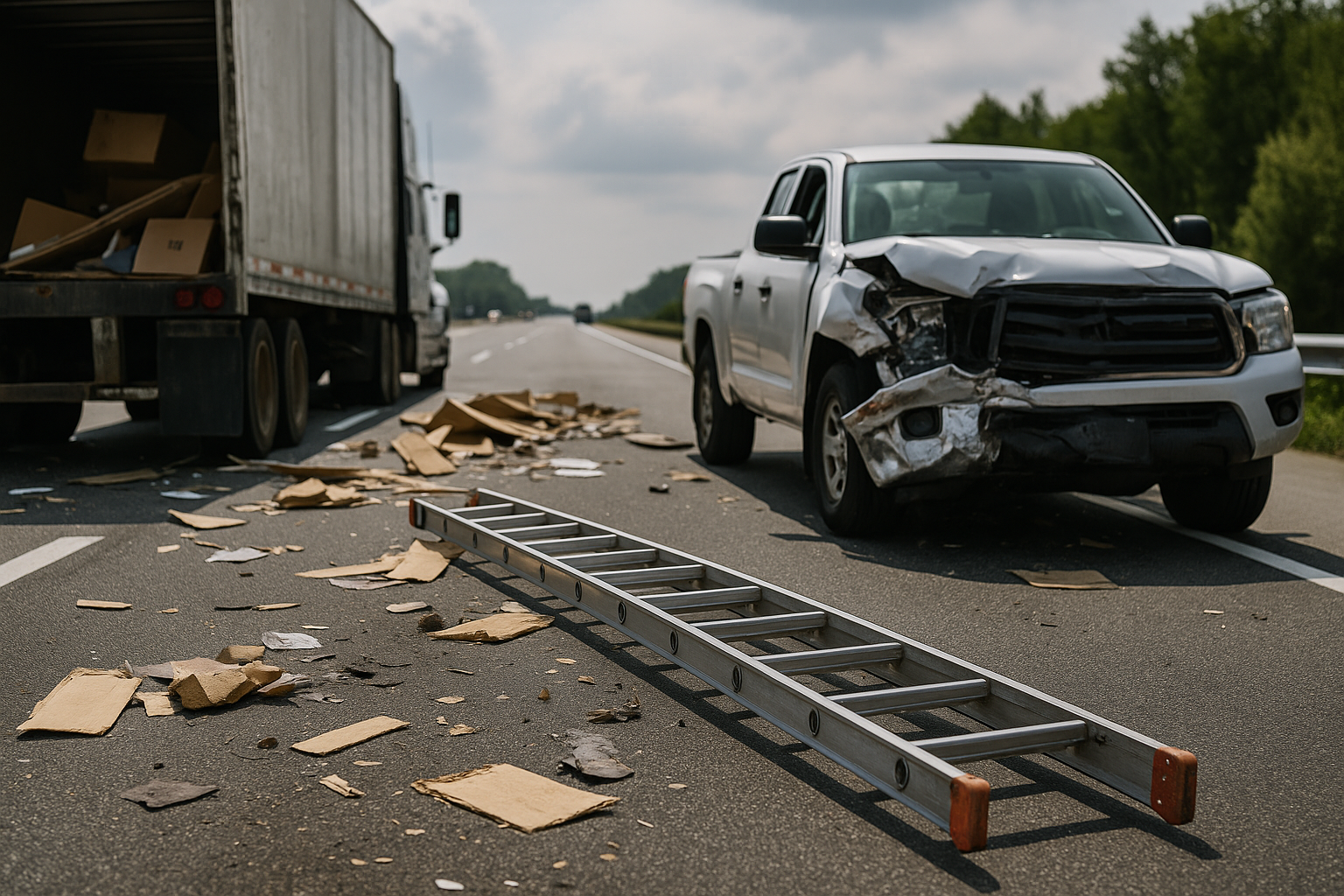 Why Unsecured Loads Are So Dangerous
When cargo shifts, detaches, or spills from a truck, it can cause:
- Trailer instability that leads to tipping or rollovers
- Sudden stops or swerves as drivers struggle to regain control
- Falling debris that strikes nearby vehicles
- Chain-reaction pileups on crowded highways
Common types of unsecured load incidents include:
- Construction equipment not properly strapped down
- Logs, steel pipes, or lumber sliding off flatbeds
- Boxes or pallets ejected from enclosed trailers with faulty doors
- Hazardous materials causing chemical spills or fires
Cargo Securement Rules for Commercial Trucks
Under both Texas law and federal FMCSA regulations, trucking companies must:
- Inspect and secure cargo using tie-downs, straps, and other equipment
- Check securement devices periodically during transport
- Ensure all equipment (e.g., doors, racks, trailers) is in proper working order
These securement rules apply to all freight carriers operating in Texas and include specific guidelines for:
- Weight distribution and balance
- Number and strength of tie-downs
- Securing intermodal containers, pipes, coils, and more
Who Is Liable in a Texas Truck Accident Caused by an Unsecured Load?
Depending on the circumstances, several parties may be liable:
- The truck driver, if they failed to check the load or ignored warning signs of shifting cargo
- The trucking company, if it failed to train or supervise employees, or cut corners to meet deadlines
- The loading company or warehouse, especially in cases involving third-party shippers
- The manufacturer of securement equipment if defective straps, racks, or tie-downs failed
Texas follows a modified comparative fault rule, which means multiple parties can share fault. Even the injured driver may be assigned partial responsibility depending on the facts of the case.
Trucking Company Defense Tactics
Trucking companies often try to avoid liability by claiming:
- The cargo was loaded by a third party
- The driver had no reason to inspect sealed containers
- They were unaware of the defect or issue
However, under Texas Civil Practice & Remedies Code Chapter 33, courts consider all involved parties and their level of control over the load.
What to Do If You Were Injured by an Unsecured Load
If you were involved in a crash involving spilled cargo or shifting loads, here’s what you should do immediately:
- Seek medical attention—some injuries may not show symptoms right away
- Take photos or videos of the debris, damage, and scene
- Get the truck’s DOT number and insurance info
- Request the police crash report and note if unsecured cargo was documented
- Consult an attorney experienced in trucking and cargo liability cases
Texas Law on Debris and Spillage
In addition to civil liability, Texas Transportation Code § 725.021 prohibits operating a vehicle with improperly secured cargo that could fall or blow onto the road. Violations can result in fines—and serve as evidence of negligence in injury lawsuits.
FAQ
What qualifies as an unsecured load under Texas law?
Any cargo that is not properly tied down, covered, contained, or secured to prevent shifting or falling from a commercial vehicle is considered unsecured.
Can I sue a trucking company if debris from a truck hit my car?
Yes. If you can prove that the cargo was negligently secured, the trucking company or shipper may be held responsible for your injuries or damage.
How soon do I need to act after an unsecured load accident?
You typically have two years to file a personal injury claim under Texas law. However, trucking companies begin investigating immediately, so early legal help is crucial.
Legal References
- Texas Transportation Code § 725.021 – Securing of Loads
- Civil Practice & Remedies Code § 33 – Proportionate Responsibility
- FMCSA Cargo Securement Rules
Disclaimer
Disclaimer: This blog is for informational purposes only and does not constitute legal advice. Past results do not guarantee future outcomes. For personalized counsel, contact Ted B. Lyon & Associates.